

About The Amazon River In Peru
Considered the longest river on earth, the Amazon runs at least 6,400 kilometers (4,000 miles), carrying with it more water than any other river in the world. It is responsible for about one-fifth of all fresh water that flows into the world’s oceans.
The Amazon River has the largest area of land that flows into the river and more tributaries than any other river in the world, more than 1,100 of which seventeen measure over 1,500-kilometers long.
The rain forest land around the Amazon and these tributaries become flooded every wet season, between December and May, when the river rises more than 9 meters (30 feet).
Over 3,000 known species of fish swim in the Amazon River and more are constantly discovered.
No bridges cross the Amazon River, because the Amazon River mostly runs through uninhabited rain forests rather than near roads and cities. Instead, the Amazon River itself is the principle transport route for indigenous people by handcrafted balsa rafts and dugout canoes. Larger riverboats and modern steel hulled ships also carry people and goods along the Amazon.
Pacaya Samiria National Reserve
Located deep within the Amazon rainforest and accessible only by water, the Pacaya Samiria Reserve, also known as the “Mirrored Forest”, offers one of Peru’s most fertile havens for sighting Amazon mammals, birds and plants that thrive among its five million acres (that’s twice the size of Yellowstone Park).
In winter, when the Amazon River is high, visitors can explore small inlets and winding river systems that make up Pacaya Samiria’s flooded jungle.
In summer, the river recedes as picturesque sandy beaches form and it is possible to explore on shore.
Throughout the year, entering Pacaya Samiria is to come upon a world filled with neon-brilliant birds alighting on emerald green trees inhabited by playful packs of acrobatic monkeys and an azure sky crisscrossed by graceful hawks and herons above a panorama of fluttering butterflies.
Endangered pink Amazon dolphins curl elegantly just above the water, tantalizingly close to our tenders while three toed sloth hide high up in the tree canopy.
Best Times To Visit Peru And The Amazon
Conditions along the Amazon River in Peru divide into two seasons: a high water season from December through May and a low water season that lasts from June until November. Cruising the Amazon in either season promises rich rewards with breathtaking opportunities to view and photograph magnificent plant and animal life unlike anywhere else on earth.
Weather in this region of the Amazon remains generally warm with some rainfall even during low water season. In fact, despite being the “rainy” season, during the high water months, the Amazon only gets about 10% more rain than in the low water season.
We suggest you consider the following three key points:
1. Some rain will fall in whichever season you choose. This is the Amazon Rainforest.
2. You will see spectacular Amazon wildlife, birds and plant life any time of year on the Amazon.
3. In either season, you will definitely see the Amazon River’s rare pink dolphins.
High Water Season on the Amazon: December Through May
Peru’s rainy season runs from December through May, which is summer and autumn in the Southern Hemisphere. This is our relatively cooler and wetter season when the Amazon region receives more than half (60%) of its total annual rainfall. During the high water season, the average temperature is 86°F (30°C), only 12°F (7°C) cooler than in the average low water season.
Benefits of visiting Peru’s Amazon at this time of year include the dramatic high water panorama. The Amazon Basin’s rivers and streams rise about 23 feet (7 meters) higher than during the low water season. Aside from the striking visual affect, this also means that every river, creek and lake is navigable.
Flooded waterways carry us significantly deeper by water into the Amazon jungle canopy, where our kaleidoscope of Amazon birds flutter about. Although the odds of sighting wildlife do not change significantly between the two seasons, you are likely to see more of some Amazon wildlife favorites such as monkeys, turtles and caimans during the high water months.
Enhanced navigation by water has a flip side – areas to walk and trek become less accessible at this time of year. When we do find usable hiking trails, so will the mosquitoes that are more prevalent now than during the low water season. Fishing in the Amazon River is actually more limited during these high water months too, but you still have close to a 50:50 chance to reel in a memorable catch.
Low Water Season on the Amazon: June through November
Low water season in Amazonia coincides with our winter in the Southern Hemisphere, from June to November. This is the warmer season on the Amazon River, with temperature averaging about 98°F (37°C). Despite its name, the low water season still exhibits some heavy rains.
A key difference between visiting Peru in low season vs. high water season is we can now access the jungle trails that get flooded from December to May, allowing our small groups to follow naturalists and local Amazonia guides deeper into the jungle by foot, and accompanied by fewer mosquitoes than during the high water season.
The travelers also tend to spot an even greater abundance of migratory birds in flight during the low water season. However, the trade-off at this time of year is that water levels on the Amazon River and its tributaries drop much lower from June to November, which means that many of the creeks and lakes that we visit by tender during the rainy season are now inaccessible. Lower water levels, do offer a bonus: good fishing is 100% guaranteed, you even stand a fair chance to catch a piranha.
Our recommendation for the best Amazon River Cruises Experiences
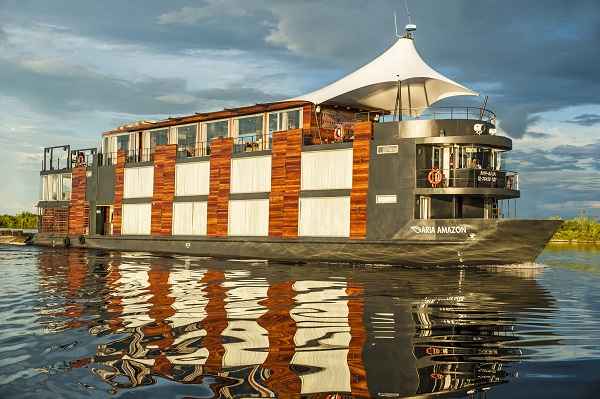
ARIA AMAZON
Every week of the year, the award-winning Aqua Expeditions’ luxurious M/V Aria takes 32 passengers deep into Peru’s Amazon wilderness to places only ever visited by only a fortunate few.
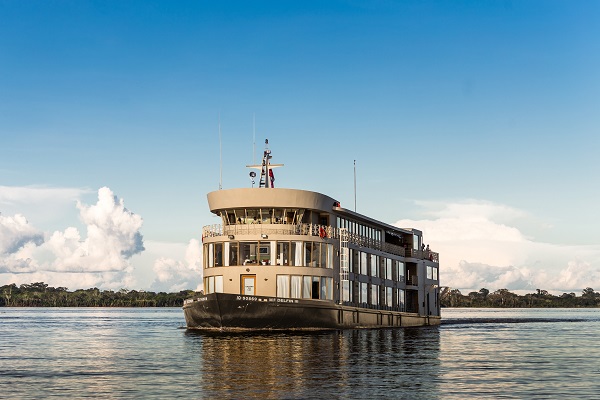
DELFIN III
The Delfin III, Delfin´s new stylish vessel begins the journey in the remote town of Nauta, Peru and transports guests in exceptional comfort into the Amazon rainforest, along the mighty Amazon River
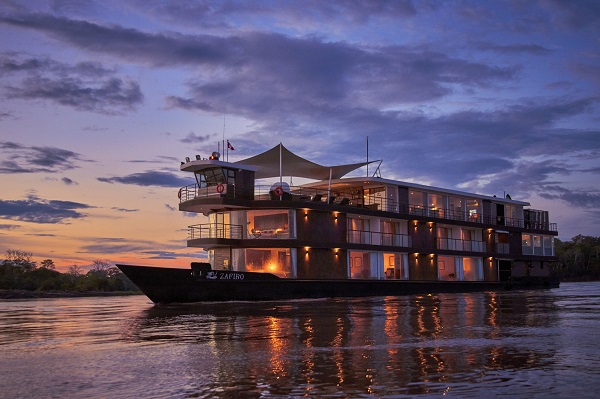
ZAFIRO
Sailing aboard the Zafiro is embarking on a unique journey into the depths of the Peruvian Amazon jungle. Here there is room for you to disconnect, relax and discover.